






 0 comments
In recent months, the option of freely using the internet has become increasingly difficult to achieve in Gabon as a result of new digital regulations. Under 16s are now prohibited from creating personal accounts.
During the past year, the internet has seen increasingly strict limitations and restrictions. The initial temporary nationwide social media shutdown that was imposed on the country during a time of political unrest has now been fully developed into a much more permanent and established model of social media platform control. Social media is at the forefront.
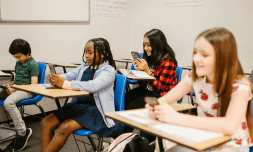
The country recently passed legislation that prohibits citizens who are younger than 16 from utilising or creating social media accounts (except in limited instances such as for educational purposes). The approval of this law followed the implementation of government restrictions on platforms such as Facebook and TikTok at the time of civil servant strikes, protests against governmental officials, and growing unrest within the general public earlier this year.
Authorities justified the restrictions by citing misinformation, cyberbullying, and threats to national security. But for many citizens, lack of internet access is a means of demonstrating a more pervasive problem. Governments are beginning to view digital free expression as a threat rather than as a human right.
Social media and politics
Social media is a key component of civic engagement throughout Africa. Young people use digital platforms not simply for entertainment purposes but also for activism, education, entrepreneurship, and holding the government to account.
The temporary social media ban in Gabon led to an increased amount of criticism levelled against government institutions and was occurring at a time where strife among unions was already strong. When a country implements a shutdown on social media during politically sensitive times, the outcome is slow dissemination of protest actions, coordination of protests, and/or public protest against government decisions.
Proponents of the government’s law believe that by restricting minors’ access to social media, they will protect children against many of the online dangers that currently pose risks of physical harm, addiction, cyberbullying, and accessing potentially dangerous materials.
This concern is not isolated to Gabon. Governments worldwide are struggling with how to appropriately regulate minors’ usage of digital platforms, with Australia also ordering an U16 social media ban early in 2026.